
Understanding Shadow Work: A Path to Inner Wholeness
Explore the hidden aspects of yourself and integrate them into conscious awareness.
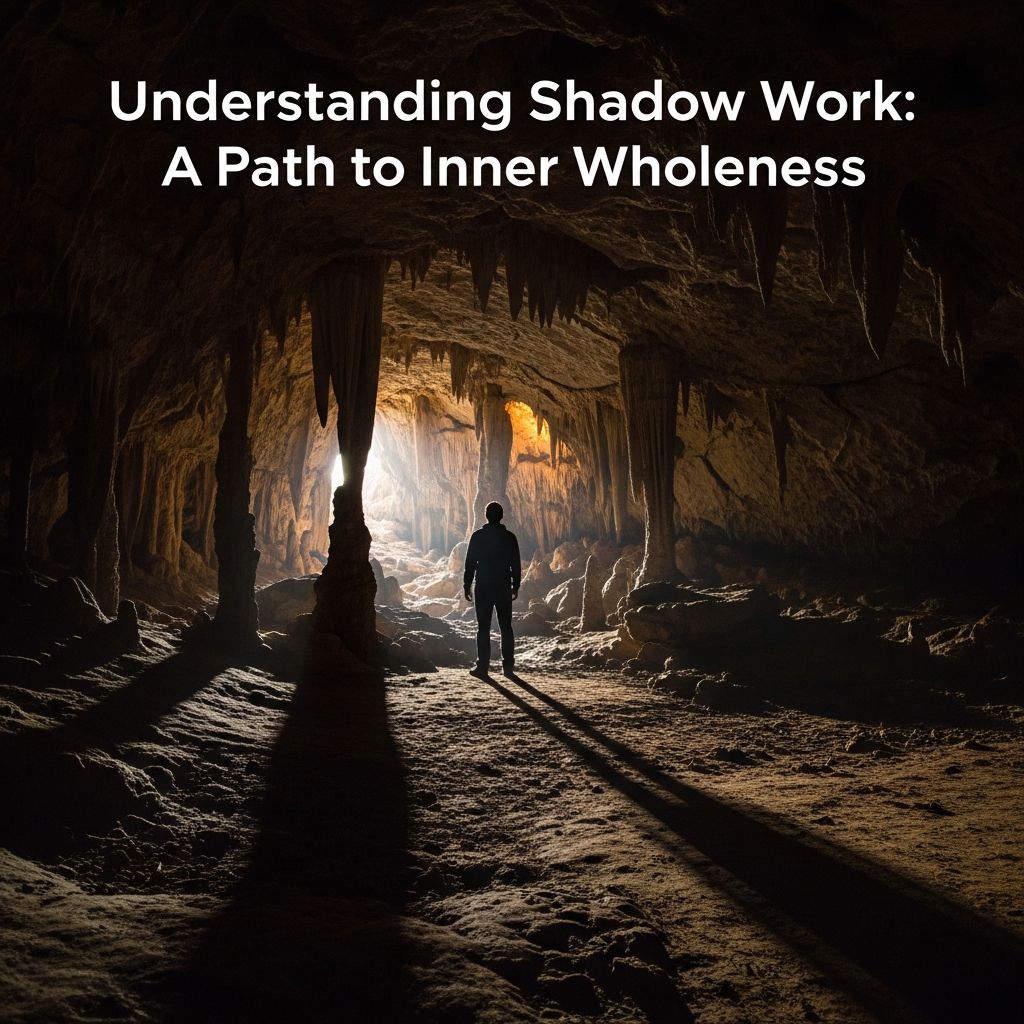
Within each of us exists a hidden dimension of personality—parts of ourselves that we’ve learned to hide, deny, or push away from consciousness. These disowned aspects don’t disappear simply because we ignore them; instead, they operate beneath the surface, influencing our behaviors, emotions, and relationships in ways we often don’t understand. Shadow work is the deliberate process of recognizing, confronting, and ultimately integrating these concealed dimensions of the self.
The concept emerged from the groundbreaking work of Swiss psychiatrist Carl Jung, who recognized that psychological wholeness requires acknowledging all parts of ourselves—not just the aspects we present to the world. This practice has evolved into a meaningful approach to personal development, one that focuses on bringing what Jung called the “personal shadow” into conscious awareness rather than eliminating it entirely.
The Origins and Nature of Your Personal Shadow
Jung’s theory posits that from early childhood, we begin a process of psychological self-editing. As we develop, we learn which traits, emotions, and impulses are acceptable to our family, culture, and society. Those characteristics deemed undesirable—whether anger, jealousy, ambition, vulnerability, or sensuality—don’t simply vanish from our psyche. Instead, they retreat into what Jung termed the “shadow,” an unconscious repository where our disowned material accumulates.
This shadow formation serves a protective function. By hiding aspects of ourselves that might lead to rejection or harm, we secured safety and belonging during our formative years. However, this same protective mechanism creates a psychological division: we maintain a conscious self-image while exiling unwanted or frightening parts into the unconscious.
The shadow contains more than just negative qualities. It can hold suppressed talents, creative capacities, strengths, and positive traits that were labeled “inappropriate” in your early environment. A child taught that confidence is arrogant might shadow their assertiveness. Someone who learned that grief was weakness might shadow their capacity for deep feeling. The shadow thus becomes a repository of both refused darkness and refused light.
How the Shadow Manifests in Daily Life
The shadow rarely announces itself directly. Instead, it emerges through recognizable patterns—reactions that seem disproportionate, conflicts that repeat themselves, or behaviors that feel foreign to how we identify ourselves. These manifestations offer crucial information about what remains unconscious within us.
Common ways the shadow shows up include:
- Unexplained emotional intensity: Sudden anger toward a colleague, overwhelming jealousy in relationships, or sharp reactions that don’t match the situation’s apparent severity
- Recurring relationship patterns: Finding yourself in the same type of conflict repeatedly with different partners or friends, suggesting an underlying dynamic you haven’t recognized
- Judgment of others: Strong negative reactions to specific traits or behaviors in people around you, which may reflect disowned aspects of yourself
- Shame and self-blame: Intense feelings of unworthiness that seem disconnected from concrete events, pointing to deeper rejected material
- Self-sabotaging behavior: Unconsciously undermining your own success or happiness in ways you can’t fully explain
When we encounter these patterns without understanding their source, we often respond by strengthening the barriers around our shadow rather than examining what lies beneath. We might judge ourselves harshly, blame others for triggering us, or develop increasingly elaborate defense mechanisms to keep the shadow at bay.
The Psychology Behind Shadow Integration
Shadow work operates on a fundamental principle: psychological fragmentation creates suffering, while integration creates wholeness. When we deny a significant part of ourselves, we don’t eliminate it—we merely ensure it operates outside our conscious control.
This unconscious operation has real consequences. Disowned aspects of ourselves tend to be projected outward, meaning we see our shadow traits in others rather than recognizing them within ourselves. The traits that irritate us most in other people often represent something we’ve rejected in ourselves. Someone judgmental of others’ selfishness might harbor suppressed self-interest they haven’t integrated. A person critical of others’ neediness might shadow their own legitimate needs for connection and support.
By bringing shadow material into conscious awareness, we gain something crucial: choice. Rather than being unconsciously driven by repressed impulses, we can observe them, understand their origins, and decide how to respond. This shift from unconscious compulsion to conscious agency represents the transformative potential of shadow work.
Practical Approaches to Beginning Shadow Work
Shadow work needn’t be rushed or overwhelming. A grounded approach begins with identifying a single recurring pattern rather than attempting to analyze your entire personality at once. This containment keeps the process psychologically manageable while still yielding meaningful insights.
Several practical methods can facilitate shadow exploration:
Journaling with Intention
Structured writing can bring unconscious material into awareness. Rather than general journaling, focus on specific triggers—write about a recent situation that provoked a strong reaction and explore what might have genuinely disturbed you beneath the surface response. What vulnerability did it touch? What did it remind you of from your past? What about it challenged your self-image?
Recognizing Emotional Triggers
Notice which situations, people, or comments generate disproportionate emotional responses. These reactions are signposts pointing toward shadow material. Instead of suppressing or acting on the emotion, pause and get curious: What is this reaction protecting? What does it suggest about something I’ve disowned or denied?
Examining Projections
Pay attention to strong judgments about others. When you find yourself critical of someone’s behavior, jealous of their success, or irritated by their traits, ask yourself: Could this reflect something within me that I’ve rejected? What would it mean if I possessed this quality?
Dream Work
Dreams bypass our conscious defenses and often present shadow material symbolically. Rather than interpreting dreams away or dismissing unsettling dream content, approach them with curiosity. What figures or scenarios appear? What emotions arise? These often represent disowned aspects seeking integration.
Working with a Trained Professional
Shadow work conducted within a therapeutic relationship offers containment and support that solo work may lack. A depth psychotherapist trained in Jungian approaches can help you navigate shadow material without becoming destabilized, ask clarifying questions that deepen insight, and provide relational grounding as you integrate difficult material.
Benefits of Integrating Your Shadow Self
The rewards of shadow work extend across multiple dimensions of life. Research into psychological wholeness suggests that those who’ve engaged in genuine shadow integration report significant benefits:
| Area of Life | Potential Benefits |
|---|---|
| Emotional Regulation | Greater ability to recognize what triggers strong reactions; reduced intensity of emotional overwhelm |
| Relationships | Fewer projections onto partners; reduced blame and resentment; clearer communication about needs |
| Self-Perception | Less internal fragmentation; reduced shame; more authentic self-understanding |
| Creativity and Authenticity | Access to previously disowned talents and capacities; more genuine self-expression |
| Interpersonal Boundaries | Improved ability to set healthy limits; reduced people-pleasing and caretaking exhaustion |
Beyond these individual benefits, shadow integration creates what we might call ethical strength. When you’ve confronted the difficult and unwanted aspects of yourself, you develop genuine compassion for human complexity. Rather than dividing the world into “good people” (those who don’t exhibit your disowned traits) and “bad people” (those who do), you recognize that all humans struggle with disowned material. This recognition naturally reduces the harshness with which you judge both yourself and others.
Shadow work can also reduce self-talk characterized by blame and shame. As you understand that your behaviors serve adaptive functions—even when they cause problems now—you can speak to yourself with greater understanding. Rather than “I’m selfish for wanting to prioritize my needs,” shadow work allows for “I learned to suppress my needs to survive; now I can honor them consciously.”
Important Considerations and Realistic Expectations
Shadow work is neither quick nor easy, and maintaining realistic expectations prevents disappointment and premature abandonment of the process. This isn’t a self-optimization technique designed to make you “better” or to fix personality traits as though they were defects. Rather, it’s a slow, relational, and often uncomfortable discipline of honesty.
Several important clarifications help ground realistic understanding:
Shadow work doesn’t excuse harmful behavior. Integration doesn’t mean acting out disowned impulses without consequence. Rather, it means understanding them well enough that you respond with conscious choice rather than unconscious compulsion. Awareness increases responsibility, not absolution.
The shadow is morally neutral. Your shadow isn’t inherently evil, and shadow work isn’t about becoming “good.” The shadow contains normal human instincts, creative capacities, and survival mechanisms that were necessary at one point. The work involves bringing these into relationship rather than judgment.
Integration unfolds gradually. Shadow work cannot be rushed or forced. Psychological integration requires patience, honesty, and sometimes professional support. Expecting immediate transformation or approaching shadow work as a “fix” often leads to destabilization rather than genuine integration.
Some shadow material requires professional support. If you’ve experienced significant trauma, have a diagnosed mental health condition, or find yourself becoming destabilized during personal shadow work, seeking guidance from a mental health professional trained in psychoanalytic or Jungian approaches isn’t a failure—it’s wisdom.
Shadow Work in Modern Context
Though Jung’s theories emerged over a century ago, shadow work has particular relevance in contemporary life. Modern culture often emphasizes optimization, perfection, and the curation of a flawless external image. Social media amplifies this tendency, allowing us to present carefully edited versions of ourselves while hiding everything deemed unflattering.
In this environment, the gap between our conscious self-image and our disowned material widens. Shadow work offers a counterculture practice—one that insists on honesty, complexity, and the fundamental value of integration over perfection.
Additionally, contemporary discussions of emotional intelligence, trauma healing, and authentic relationships increasingly recognize that unprocessed shadow material undermines these goals. You cannot achieve genuine emotional intelligence while remaining blind to your patterns. Trauma healing requires integrating disowned aspects of the self. Authentic relationships demand bringing more of your real self—not just your curated image—into connection.
Frequently Asked Questions About Shadow Work
Is shadow work the same as therapy?
While shadow work often occurs in therapy, they’re not identical. Therapy addresses diagnosed mental health conditions and provides treatment. Shadow work is a specific practice focused on integrating disowned material. Many people engage in shadow work outside formal therapy through journaling, personal reflection, or spiritual practices, though therapeutic support often deepens the work.
How long does shadow work take?
There’s no fixed timeline. Shadow integration unfolds gradually and varies greatly depending on the depth of material, your readiness, and the consistency of your practice. Some people experience meaningful shifts within months; others work with shadow material throughout their lives.
Can I do shadow work alone?
Many people begin with personal practices like journaling. However, shadow work within a therapeutic relationship offers advantages: professional guidance, relational support, and help navigating destabilizing material. Consider professional support if you’re uncertain how to proceed or concerned about impact.
What if I discover something troubling about myself?
This is a normal part of shadow work. Disowned material often includes aspects we’ve learned to fear or judge. Remember that understanding these aspects increases your capacity to respond consciously rather than being driven by them. A therapist can provide crucial support in processing difficult discoveries.
Moving Forward with Integration
Shadow work fundamentally shifts how you understand yourself. Rather than viewing yourself as a fixed entity with fixed traits, you recognize yourself as a complex whole containing multiple dimensions—some acknowledged, some hidden, but all ultimately part of what makes you human.
The path toward integration requires courage. It means looking at aspects of yourself you’d rather not see. It means sitting with uncomfortable emotions, reconsidering long-held self-judgments, and potentially grieving the person you thought you were.
Yet this willingness to meet your shadow with honesty and compassion creates something remarkable: genuine wholeness. You become less divided, less driven by unconscious forces, and more capable of authentic connection with yourself and others. You develop what might be called psychological maturity—not the pretense of perfection, but the deeper strength that comes from knowing and accepting all of who you are.
Shadow work ultimately invites you to step out of the role you’ve been cast in and into the fuller reality of your humanity. That journey, while challenging, offers rewards that extend far beyond personal comfort—it offers genuine authenticity, deeper relationships, and the freedom that comes from conscious choice.
References
- What Is Shadow Work? How to Start and Benefits — WebMD. https://www.webmd.com/mental-health/shadow-work
- What Is Shadow Work — and Can It Help You Heal? — Cleveland Clinic. https://health.clevelandclinic.org/shadow-work
- Shadow Work Meaning in Jungian Psychology Explained — Meridian University. https://meridianuniversity.edu/content/shadow-work-meaning-in-jungian-psychology-explained
Similar Articles








Read full bio of medha deb