Navigating Life Transitions: Tarot as a Tool for Embracing Change
Discover how tarot archetypes can guide you through transformation and personal growth during life's pivotal moments.

Change is an inevitable part of human existence. Whether it arrives gradually or strikes suddenly, transitional periods challenge us to reevaluate our beliefs, priorities, and sense of identity. Throughout history, people have sought guidance during uncertain times through various divination practices, including tarot reading. The tarot offers a unique framework for understanding transformation, not as something to fear, but as an opportunity for profound personal evolution. By engaging with tarot symbolism during times of transition, individuals can gain clarity, build resilience, and develop a more adaptive mindset toward life’s inevitable shifts.
Understanding the Relationship Between Tarot and Personal Transformation
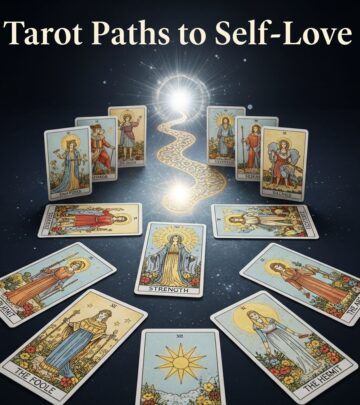
At its core, the tarot deck tells the story of the Fool’s Journey—a narrative arc that mirrors human development and spiritual awakening. This archetypal story begins with the Fool, representing untapped potential and new beginnings, and progresses through encounters with various life experiences and challenges that ultimately lead to wisdom and integration. Each card in the deck embodies different energies, obstacles, and lessons that humans encounter on their path to self-discovery.
The power of tarot in navigating change lies in its ability to externalize internal struggles and present them in a structured, symbolic format. When faced with life transitions, our minds often become clouded by anxiety, confusion, or resistance. Tarot readings provide a reflective tool that encourages introspection and pattern recognition, allowing individuals to see their situations from new perspectives. Rather than predicting a fixed future, tarot functions as a mirror reflecting the energetic currents surrounding a situation, offering insights into potential outcomes based on current trajectories and mindset.
Key Tarot Cards That Embody Transformation Energy
Certain cards within the major arcana consistently emerge as powerful symbols of change and transformation. Understanding their unique messages can help you recognize which energies are at play during different phases of transition.
The Fool: Embracing New Beginnings
The Fool card represents the initiation of change and the willingness to step into the unknown. This card embodies fresh starts, untapped potential, and the courage necessary to venture into unexplored territory. When The Fool appears during a transitional period, it often signals that hesitation or fear may be holding you back from embracing necessary growth. The card’s message emphasizes the importance of cultivating openness, curiosity, and adaptability. In astrological correspondence, The Fool is associated with Uranus, the planet governing unexpected shifts and sudden life changes. To work with this energy effectively, developing flexible thinking patterns and strengthening intuitive abilities enables you to navigate life’s plot twists with greater ease and creativity.
The Wheel of Fortune: Recognizing Life’s Natural Cycles
The Wheel of Fortune illustrates that life operates in cycles, with seasons of abundance alternating with periods of scarcity, and phases of action giving way to rest and reflection. This card teaches that change is not random chaos but rather part of a natural, ordered progression. When this card appears, it invites you to trust in the cyclical nature of existence and recognize that every ending contains seeds of new beginning. The Wheel of Fortune encourages staying adaptable and open-minded, understanding that even uncertain moments present opportunities for growth and renewal. Rather than resisting natural transitions, this card advocates for flowing with circumstance while maintaining inner centeredness.
The Hanged Man: The Power of Surrender
The Hanged Man represents intentional pause, reflection, and the transformative potential of surrender. This card depicts a figure suspended upside-down in a peaceful manner, suggesting that transformation sometimes requires releasing our attachments to outcomes and control. The message of The Hanged Man is that personal growth often necessitates stepping back, gaining new perspective, and allowing time for integration. This card is particularly relevant during transitions that feel stagnant or frustrating, reminding us that periods of apparent inactivity are actually fertile ground for inner work. Associated with Neptune, the planet of unconditional love and spiritual dissolution, The Hanged Man teaches that centering yourself in compassion—for yourself and others—facilitates deeper transformation and may even accelerate the emergence from transitional phases.
The Tower: Radical Upheaval and Renewal
The Tower represents sudden, dramatic change that dismantles established structures and belief systems. While this card often appears frightening in readings, it carries an essential message: sometimes breakthrough requires breakdown. The Tower forces confrontation with areas of life that have become stagnant, rigid, or inauthentic. Though disruptive, the destruction The Tower brings creates space for building stronger foundations aligned with your true values and authentic self. This card teaches resilience and the understanding that catastrophic-seeming events often redirect us toward more fulfilling paths. The gift of The Tower is liberation from structures that no longer serve your growth.
The Star: Hope and Authentic Purpose
The Star appears as a beacon of hope within transitional darkness, reminding you that even during uncertain times, guidance and possibility exist. This card encourages connection with inner wisdom and authentic purpose, suggesting that transformation becomes smoother when aligned with your true calling. The Star teaches trust in the process of change and faith that positive growth emerges from challenging transitions. Working with The Star’s energy during transitions involves releasing limiting beliefs and reconnecting with your core values and higher aspirations.
Developing a Framework for Change Work with Tarot
Moving beyond individual card meanings, structured tarot spreads provide systematic approaches to understanding and navigating specific transitions. A spread creates a container for inquiry, with each card position representing different dimensions of your situation.
Creating Intentional Tarot Spreads for Transition
When designing your own spreads or working with established ones, consider including positions that address:
- Current energetic situation: What circumstances and emotions surround your transition right now?
- Immediate action: What concrete steps can you take to ease this transitional period?
- Available support: What people, resources, or qualities support you during this change?
- Potential outcomes: What might emerge from embracing this transformation?
- Personal guidance: What wisdom or perspective shift would benefit your transition most?
This framework honors both the practical and spiritual dimensions of change, acknowledging that transformation involves both actionable steps and internal shifts in perception and belief.
Psychological Principles for Interpreting Cards During Transitions
Modern understanding of tarot emphasizes its psychological utility alongside its symbolic and spiritual dimensions. Cards that appear “negative” in traditional interpretations—such as the Three of Swords or Eight of Swords—deserve reframing during transitional work.
Recognizing Change as Dynamic Process
A fundamental insight in tarot reading is that no single card represents a static, unchanging situation. Since human consciousness constantly evolves, tarot readings capture momentary energetic patterns rather than fixed destinies. When challenging cards appear, they indicate current obstacles or patterns rather than inevitable outcomes. This reframing is crucial during times of change, as it emphasizes agency and choice. A card depicting struggle does not doom you to perpetual struggle; instead, it identifies an area where your attention and effort can create transformation.
Integrating Mindfulness and Strengths-Based Thinking
Complementing tarot work with psychological tools enhances its effectiveness. Mindfulness practices cultivate self-awareness and emotional resilience, allowing you to approach transitions with greater centeredness and reduced reactivity. Simultaneously, identifying your unique strengths and talents boosts confidence and helps align career changes, relationship shifts, or lifestyle transitions with your authentic capabilities and values. This integration—pairing tarot’s symbolic guidance with concrete psychological practices—creates a more robust framework for managing change.
Practical Methods for Using Tarot to Process Resistance to Change
Resistance to change is natural and often protective, signaling potential areas requiring deeper examination. Tarot can illuminate the roots of this resistance and suggest pathways forward.
Identifying Hidden Blocks
Cards representing evasion or avoidance—such as the Seven of Swords—can reveal subconscious ways you might be resisting necessary transitions. Rather than shame arising from recognition of avoidance, these cards offer compassionate acknowledgment that part of you seeks protection or familiarity. By naming these protective impulses, you create space for dialogue with resistant parts rather than internal conflict.
Building Confidence for Forward Movement
Cards embodying determination and mastery—particularly The Chariot—advise taking control of your transition actively. This involves setting clear intentions, establishing specific goals, and moving forward with assertiveness tempered by wisdom. Rather than passively waiting for change to happen to you, The Chariot’s message encourages deliberate action aligned with your values and vision.
Building a Personal Tarot Practice for Ongoing Transition Support
Rather than consulting tarot only during crisis or major transitions, developing a consistent practice creates ongoing support for navigating life’s inherent changeability. Regular tarot engagement builds familiarity with archetypal energies, strengthens intuitive faculties, and creates a reflective rhythm that enhances self-awareness.
Establishing a Reflective Routine
Consider drawing a single card weekly or monthly to check in with current energies and emerging patterns. This practice, far less intense than full readings, maintains connection with the tarot’s wisdom during stable periods, making transitions feel less jarring when they arrive. Over time, you’ll notice recurring themes or cards that carry personal significance, deepening your relationship with the deck.
Journaling with Tarot Insights
Written reflection on card meanings and how they relate to your current life circumstances anchors insights and creates a personal record of your growth. When facing new transitions, reviewing past entries reveals patterns in how you’ve navigated change previously, building confidence in your adaptive capacity.
FAQ: Common Questions About Using Tarot for Change
Can tarot predict specific outcomes of my transition?
Tarot reveals energetic patterns and potential trajectories rather than fixed outcomes. Your choices, mindset, and actions actively shape results. Tarot readings illuminate possibilities and obstacles but don’t determine destiny.
What if I draw cards I perceive as negative?
Challenging cards indicate areas requiring attention and growth opportunities rather than foreordained difficulties. They suggest where conscious effort can shift your transition’s trajectory toward more positive outcomes.
How often should I consult tarot during transitions?
Frequency depends on personal preference and the intensity of your transition. Some find weekly check-ins helpful, while others prefer monthly or as-needed readings. Avoid compulsive consulting, which can indicate anxiety requiring addressed through other means as well.
Can tarot guide career changes specifically?
Yes, tarot excels at illuminating career transitions. Spreads can clarify current dissatisfaction, identify obstacles, reveal available support, and suggest next steps aligned with your values and talents.
Integrating Tarot Work with Life Action Steps
The most powerful use of tarot during transitions marries symbolic insight with concrete action. After a reading, identify specific steps corresponding to the guidance received. If a card suggests forgiveness, perhaps schedule conversations or practices supporting reconciliation. If a card emphasizes taking control, set measurable goals and timelines. If surrender appears, consciously practice letting go of specific attachments or outcomes. This integration ensures tarot remains a living practice supporting actual transformation rather than abstract contemplation.
Ultimately, tarot serves as a sophisticated tool for self-inquiry and perspective-shifting during life’s inevitable transitions. By engaging thoughtfully with its archetypal symbols, creating structured spreads addressing specific transitions, and pairing insight with action, you develop genuine mastery in navigating change. The cards remind us that transformation, while often uncomfortable, contains within it seeds of deeper authenticity, resilience, and alignment with our true purpose.
References
- The Top 7 Change and Transformation Tarot Cards — Angelorum. 2024. https://angelorum.co/astro-tarot/top-7-change-transformation-tarot-cards/
- Shifting Your Mindset for Career Change With Tarot Cards and Psychology — Caru Tarot. 2024-04-12. https://carutarot.com/2024/04/12/shifting-your-mindset-for-career-change-with-tarot-cards-and-psychology/
- Tarot Reading Using the Embracing Change Tarot Spread — Tarot Girl. YouTube. https://www.youtube.com/watch?v=KzFdrqFe-fA
- Dealing with Difficult Tarot Cards: 7 Tips for Reading for Others — Incandescent Tarot. 2017-11-28. https://www.incandescenttarot.com/blog/2017/11/28/dealing-with-difficult-tarot-cards-the-pros-cons-of-a-positive-spin
- Cards for Change: The Tarot for Social Transformation — Agent Jay. 2014-06-07. https://jaycousins.wordpress.com/2014/06/07/cards-for-change-the-tarot-for-social-transformation/
Similar Articles








Read full bio of Sneha Tete