Tarot For Sleep: 3 Bedtime Spreads To Improve Rest
Discover how tarot readings can become part of your nightly routine to enhance relaxation and sleep.

Many people struggle with the transition from wakefulness to sleep, lying awake with racing thoughts about the day’s events or tomorrow’s concerns. One increasingly popular approach to address this challenge involves incorporating tarot readings into your evening routine. Far beyond their reputation as tools for divination, tarot cards can serve as instruments for self-reflection, emotional release, and mental clarity—all essential components for achieving restorative sleep.
The practice of using tarot before bed represents a meaningful form of self-care that combines mindfulness with structured reflection. By creating intentional space to process thoughts and emotions accumulated throughout the day, you can quiet your mind and prepare your body for sleep. This article explores how tarot readings function as sleep aids, which spreads work best for bedtime use, and how to integrate this practice into your nightly wind-down routine.
The Connection Between Tarot Practice and Sleep Quality
Understanding why tarot readings might improve sleep begins with recognizing how unprocessed thoughts and emotions interfere with rest. Throughout the day, your mind accumulates mental clutter—worries about deadlines, social interactions, unresolved feelings, and plans for upcoming events. When you attempt to sleep, this accumulated mental burden surfaces, keeping your brain active when it should be quieting down.
Tarot readings create a structured opportunity to externalize these thoughts and feelings. By pulling cards and reflecting on their meanings in relation to your day, you engage in a form of cognitive processing that helps organize scattered thoughts. This organizational process creates mental space, allowing your nervous system to transition from the sympathetic (alert) state required during the day to the parasympathetic (rest) state necessary for sleep.
The reflective nature of tarot also encourages emotional acknowledgment. Rather than pushing aside feelings that arose during your day, tarot invites you to recognize and validate these emotions. Research demonstrates that emotional suppression requires cognitive effort, which can keep your mind activated at night. Conversely, emotional acceptance and acknowledgment reduces this mental burden, supporting more natural sleep onset.
How Evening Tarot Readings Support Relaxation
The benefits of incorporating tarot into your bedtime routine extend beyond simple emotion processing. The ritualistic nature of shuffling cards, laying them in a spread, and contemplating their meanings creates a deliberate pause in your day. This pause signals to your body that it’s time to shift gears from productivity to restoration.
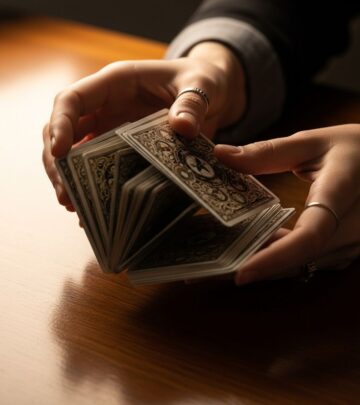
The tactile experience of handling cards engages your senses in a grounding activity. As you shuffle the deck, you focus on the physical sensation of the cards in your hands, the sound they make, and the visual patterns emerging. This sensory engagement pulls your attention away from anxious thoughts and anchors it in the present moment—a foundational principle of mindfulness that research links to improved sleep quality.
Additionally, the symbolic and metaphorical nature of tarot cards encourages a shift in how you think about your concerns. Instead of ruminating on problems in their literal form, you translate them into symbolic language and explore new perspectives. This cognitive shift can break anxiety cycles and reveal solutions or acceptance that you might not access through direct analytical thinking.
The overall experience creates a multi-sensory, emotionally intelligent wind-down practice that addresses the root causes of sleep disruption rather than simply trying to force sleep through willpower or medication.
Selecting the Right Tarot Spread for Bedtime
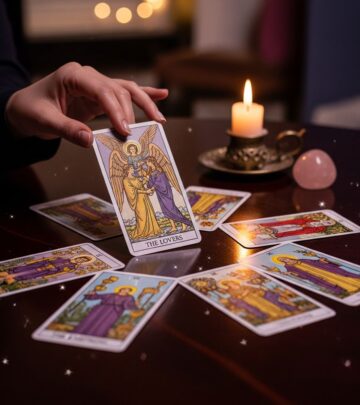
Not all tarot spreads serve sleep equally well. The most effective spreads for bedtime tend to be relatively simple, with three to six cards, and designed specifically to address sleep-related questions. Here are several proven approaches:
The Three-Card Evening Review
This straightforward spread asks three guiding questions that help you consolidate the day’s lessons:
- Card One: What insights did I gain today?
- Card Two: What emotional or spiritual healing does sleep offer me tonight?
- Card Three: How will today’s lessons strengthen me tomorrow?
This spread works particularly well because it frames your day within a growth narrative, helping you find meaning in both positive and challenging experiences. By the time you turn over the third card, your mind has shifted from dwelling on problems to recognizing how you’re progressing and evolving.
The Five-Card Insomnia Resolution Spread
If you find yourself awake in the middle of the night, this five-card configuration addresses what’s keeping you alert:
- Cards One, Two, Three (Top row): What is preventing me from returning to sleep?
- Cards Four, Five (Bottom row): What actions or perspectives will help me rest?
By identifying the specific mental or emotional factors disrupting your sleep, you can address them directly rather than becoming frustrated with the insomnia itself. The bottom cards offer practical or spiritual guidance tailored to your particular situation.
The Six-Card Restorative Sleep Spread
This more comprehensive spread combines affirmations with reflection:
- Card One: I deserve rest and restoration (identifying barriers to self-compassion)
- Card Two: I trust in peace and universal support (finding security)
- Card Three: My body knows how to rest (connecting with physical wisdom)
- Card Four: I release today’s burdens (letting go)
- Card Five: I welcome restorative dreams (inviting healing sleep)
- Card Six: I awaken refreshed tomorrow (affirming readiness for the next day)
This spread’s power lies in its combination of release and affirmation, creating a complete emotional arc that moves from surrender to hope.
Creating Your Bedtime Tarot Ritual
The effectiveness of tarot for sleep depends partly on how you implement it. Transforming your card reading into a true ritual amplifies its benefits:
Timing: Pull your cards 15 to 30 minutes before you intend to sleep. This allows sufficient time for reflection without so much time that your mind becomes re-engaged with the day’s concerns.
Environment: Create a calm, dimly lit space dedicated to your reading. Soft lighting—perhaps from a single lamp or candles—signals to your body that daytime activities are concluding. Keep your phone nearby only if you’re using it for timing; otherwise, leave it in another room to minimize digital distractions.
Preparation: Before shuffling, take three deep breaths and set an intention. Your intention might be as simple as “I’m open to clarity about what I need for restful sleep” or “I release today’s stress and welcome peace.”
Shuffling: Shuffle your deck thoughtfully, focusing on the sensation of the cards moving through your hands. There’s no “right” way to shuffle—some people use traditional bridge shuffles while others simply mix the deck into a pile and reconstitute it. Choose the method that feels most meditative to you. Continue until you feel ready to stop.
Reflection: After laying out your cards and turning them over, spend time with each card. Consider not just its traditional meaning but what insights it offers for your specific question. Write brief reflections in a sleep journal if desired, which can itself become a calming part of your routine.
Closing: Conclude your reading by expressing gratitude—whether to the cards, the universe, or simply to yourself for taking this time. This formal closing creates a clear boundary between your tarot practice and sleep, signaling that reflection time has ended and rest time is beginning.
Interpreting Cards in the Context of Sleep
When reading tarot for sleep purposes, you need not rely solely on traditional card interpretations. Instead, develop a personalized understanding of how different cards speak to your sleep challenges:
Swords cards often appear when racing thoughts or anxiety keeps you awake. They might suggest that mental calming techniques—meditation, journaling, or conscious breathing—would support your sleep.
Cups cards typically indicate emotional factors in sleep disruption. These cards may suggest that acknowledging and validating feelings, rather than suppressing them, will help you rest.
Pentacles cards can point to practical sleep issues—perhaps you need better sleep hygiene, physical exercise, or adjustment to your sleep environment.
Wands cards sometimes suggest creative outlets or expressive activities that would help discharge excess energy before bed.
Over time, you’ll develop intuitive understanding of what different cards mean within your personal sleep context. This personalization makes your readings increasingly relevant and effective.
Addressing Common Questions About Tarot and Sleep
Should you keep tarot cards near your bed while sleeping?
This depends entirely on your personal response. Some people find that sleeping with a card that carries positive or calming associations helps reinforce peaceful intentions throughout the night. Others find that the presence of cards, particularly if they’re visually striking or energetically intense, proves distracting. Notice how you feel when a card remains nearby and adjust accordingly. Your comfort and actual sleep quality matter more than any rule about tarot practice.
What if you pull cards that seem negative or concerning?
Remember that tarot cards considered “difficult” in other contexts often have valuable meanings within a sleep spread. The Nine of Swords, traditionally associated with anxiety, might appear to validate that you’re experiencing worry—which itself can be helpful acknowledgment. Use seemingly negative cards as invitations to explore specific sleep barriers rather than signs that your reading has failed. The insight they offer is the gift.
Can tarot replace medical treatment for sleep disorders?
Tarot serves best as a complementary practice within a broader sleep wellness approach. If you experience chronic insomnia or serious sleep disruption, consult a healthcare provider or sleep specialist to rule out underlying medical or psychological conditions. Tarot can support your overall well-being and complement professional treatment, but it should not replace medical care when needed.
How often should you pull cards for sleep?
You might read cards every evening as a consistent wind-down ritual, or only on nights when you anticipate sleep difficulty. Some people use tarot several times weekly as part of their self-care practice. Experiment to find what feels sustainable and beneficial for your specific needs. Consistency often amplifies benefits, but flexibility prevents the practice from becoming burdensome.
Expanding Your Practice: Additional Sleep Support Techniques
While tarot offers valuable support for sleep, combining it with other evidence-based relaxation techniques creates a more comprehensive approach. Consider pairing your evening tarot reading with:
- Progressive muscle relaxation: After completing your reading, consciously tense and release different muscle groups, moving from your feet toward your head.
- Box breathing: Inhale for four counts, hold for four, exhale for four, hold for four. Repeat for several minutes after your tarot reflection.
- Guided imagery: After your cards, spend a few minutes visualizing a peaceful place in detail, engaging all your senses.
- Gentle journaling: Write brief responses to your tarot cards rather than simply reflecting silently, which can help organize and externalize thoughts.
- Herbal support: Combine your reading with calming tea such as chamomile or passionflower, which some herbalists associate with relaxation.
Building Your Sleep-Focused Tarot Practice Over Time
As you continue using tarot for sleep support, your practice will naturally evolve. You’ll develop favorites among the spreads, discover which cards appear repeatedly in your readings, and recognize patterns in your sleep challenges and solutions. This deepening relationship with your cards enhances both the tarot work itself and its effectiveness as a sleep tool.
Consider keeping a dedicated sleep journal where you record the date, which spread you used, the cards that appeared, your interpretation, and how well you slept that night. Over weeks and months, patterns emerge that reveal both what tarot uniquely offers you and what underlying factors most affect your rest. This evidence base helps you refine your approach and recognize genuine improvements.
Ultimately, tarot for sleep works not through magic but through the combination of intention, reflection, ritual, and self-awareness it fosters. By creating space to understand and process what’s happening in your life, you remove obstacles to natural sleep and create conditions where rest can flourish.
References
- A Tarot Reading to Help You Sleep Better — Saatva. 2024. https://www.saatva.com/blog/tarot-spread-for-sleep/
- A Tarot Spread to Cure Insomnia — Sinead Fine. https://sineadfine.com/a-tarot-spread-to-cure-insomnia/
- Before Bed Tarot Spread | 6-Card Interactive Reading — Backyard Banshee. https://backyardbanshee.com/tarot/spreads/before-bed-tarot-spread/
Similar Articles








Read full bio of Sneha Tete