Rune Stone Guide: 24 Meanings, Uses, And Ritual Tips
Unlock the ancient wisdom of runes with this comprehensive guide to their symbols, meanings, and spiritual applications for modern seekers.
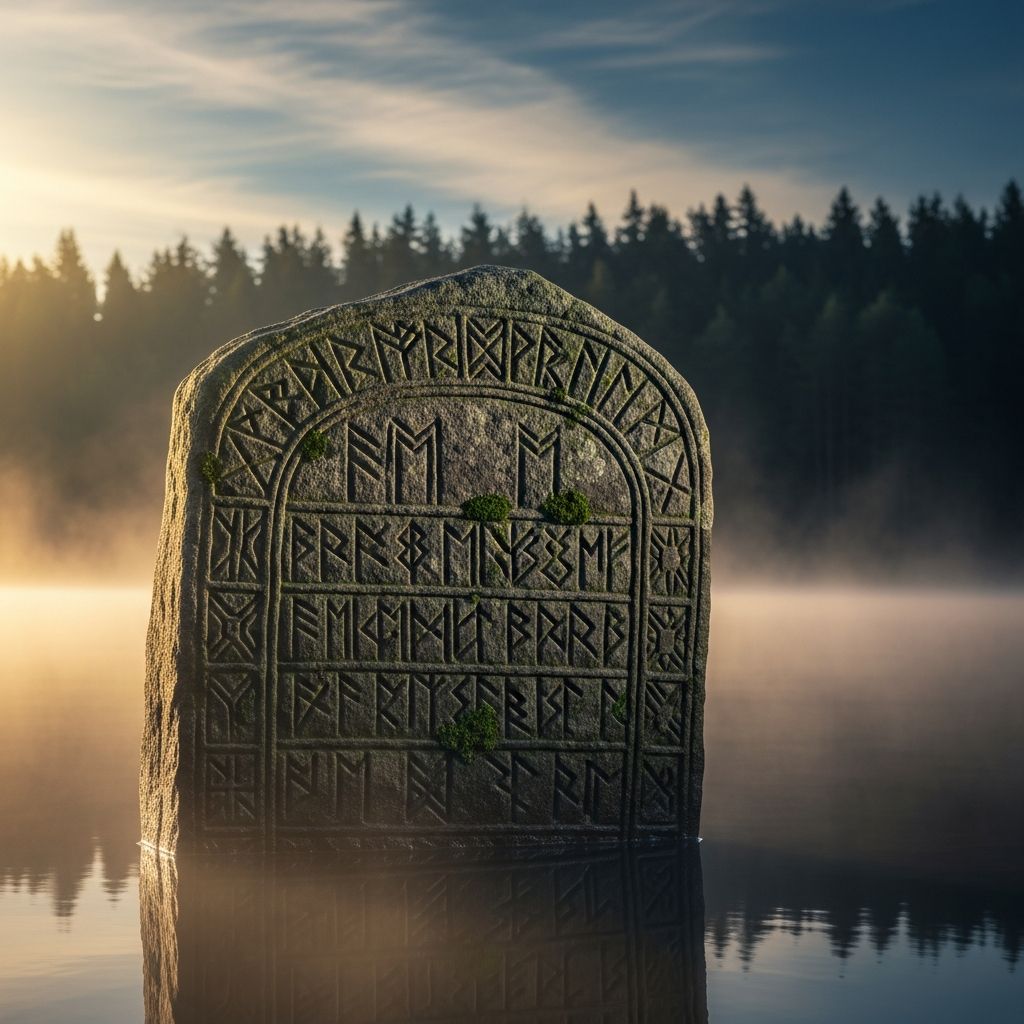
Runes represent one of humanity’s oldest systems for encoding language and symbolism, originating from Germanic tribes around the 2nd century AD. These angular symbols, carved into stone, wood, or bone, served practical purposes like inscriptions while carrying deep esoteric significance in divination and magic. Today, they continue to captivate those seeking guidance through their archetypal wisdom.
Historical Foundations of Rune Symbols
The runic alphabet, known as the Elder Futhark, emerged from interactions between Germanic peoples and Mediterranean scripts, particularly Old Italic alphabets like Etruscan or Raetic variants around the 1st to 2nd century AD. Artifacts such as the Vimose Comb from Denmark, dated to circa 160 AD, provide the earliest evidence of runic use, bearing simple inscriptions like personal names. Scholars agree that runes were adapted for carving on hard surfaces, featuring straight lines ideal for wood and stone.
By the 2nd to 8th centuries, the 24-rune Elder Futhark spread across northern Europe, from Scandinavia to the British Isles, before evolving into Younger Futhark and Anglo-Saxon Futhorc variants as languages shifted and Christianity introduced the Latin alphabet. Despite their decline in everyday writing by the 12th century, runes persisted in folklore as tools of prophecy and protection.
Structure of the Elder Futhark
The Elder Futhark divides into three groups, or aettir, each with eight runes: Freyr’s Aett (fertility and creation), Hagal’s Aett (disruption and transformation), and Tyr’s Aett (victory and structure). This organization reflects a progression from material to spiritual realms. In modern rune casting, stones are drawn upright or reversed, altering their energies from positive to cautionary.
Freyr’s Aett: Foundations of Prosperity
This first set focuses on beginnings, wealth, and human endeavors, invoking the Norse god Freyr’s bounty.
- Fehu (ᚠ): Symbolizing cattle and movable wealth, Fehu upright heralds financial gain and abundance through effort. Reversed, it warns of loss or greed blocking flow.
- Uruz (ᚢ): The aurochs, embodying primal strength and health. Upright, it signals vitality and formation; reversed, stubbornness or illness.
- Thurisaz (ᚦ): Thor’s hammer, representing protection and directed force. Upright for breakthroughs, reversed for conflict or haste.
- Ansuz (ᚨ): Odin’s breath, linked to communication and divine inspiration. Upright brings wisdom; reversed, misunderstandings.
- Raidho (ᚱ): The wagon wheel, denoting journeys and justice. Upright promises safe travel; reversed, delays.
- Kenaz (ᚲ): The beacon fire, for knowledge and craft. Upright illuminates creativity; reversed, deception.
- Gebo (ᚷ): The gift, symbolizing partnerships without expectation. Balanced exchange upright; reversed, imbalance.
- Wunjo (ᚹ): Joy and harmony, fulfilling wishes. Upright for bliss; reversed, sorrow.
Hagal’s Aett: Trials and Renewal
The second aett introduces chaos as a catalyst for growth, named for the hailstone rune.
- Hagalaz (ᚺ): Hail disrupting order, yet melting into water. Upright for inevitable change; no reversal as it’s neutral.
- Nauthiz (ᚾ): Need-fire, constraint breeding resilience. Upright urges endurance; reversed, relief.
- Isa (ᛁ): Ice, standstill for reflection. Upright halts action; reversed, thawing.
- Jera (ᛃ): The year cycle, rewarding patience. Upright for harvests; reversed, delays.
- Eihwaz (ᛇ): Yew tree, axis of life and death. Upright for endurance; reversed, crisis.
- Perthro (ᛈ): The womb or dice cup, fate’s mystery. Upright reveals secrets; reversed, gambles.
- Algiz (ᛉ): Elk antlers, divine protection. Upright shields; reversed, vulnerability.
- Sowilo (ᛊ): Sun’s victory, wholeness. Upright energizes; no reversal.
Tyr’s Aett: Order and Destiny
The final set emphasizes sacrifice, law, and inheritance, honoring the sky god Tyr.
- Tiwaz (ᛏ): Tyr’s spear, justice and leadership. Upright for honor; reversed, injustice.
- Berkano (ᛒ): Birch goddess, birth and nurturing. Upright for growth; reversed, stagnation.
- Ehwaz (ᛖ): Horse, loyalty and progress. Upright for trust; reversed, betrayal.
- Mannaz (ᛗ): Humanity, self and society. Upright for collaboration; reversed, isolation.
- Laguz (ᛚ): Water, intuition and flow. Upright guides; reversed, fear.
- Ingwaz (ᛜ): Ing’s seed, fertility potential. Upright gestates; reversed, blockages.
- Dagaz (ᛞ): Daybreak, breakthrough. Upright transforms; no reversal.
- Othala (ᛟ): Ancestral property, heritage. Upright secures legacy; reversed, loss.
Practical Applications in Divination
Modern practitioners cast runes by drawing from a pouch, laying spreads like the three-rune past-present-future, or using bindrunes—combined symbols for talismans. Meditate on the rune’s shape and lore for intuitive insights. Combine with journaling to track patterns over time.
| Rune | Upright Keyword | Reversed Keyword |
|---|---|---|
| Fehu | Wealth | Loss |
| Uruz | Strength | Weakness |
| Ansuz | Wisdom | Miscommunication |
| Hagalaz | Disruption | N/A |
| Tiwaz | Victory | Defeat |
| Dagaz | Clarity | N/A |
Runes in Rituals and Daily Life
Beyond readings, carve runes on candles for intentions—Fehu for prosperity, Algiz for safety. Create rune poems inspired by ancient Icelandic and Norwegian traditions, reciting them for empowerment. In meditation, visualize runes glowing to align chakras or manifest goals.
Common Misconceptions Clarified
Runes predate Viking stereotypes, originating earlier among Goths and Danes. They’re not inherently ‘cursed’ but tools reflecting life’s dualities. Authenticity matters—use natural materials like soapstone for resonance.
Frequently Asked Questions
What is the best way to start with runes?
Acquire a set of Elder Futhark stones, cleanse them with smoke or moonlight, and practice single-rune draws daily for personal guidance.
Can runes predict the future?
Runes illuminate potentials and energies, not fixed fates, empowering informed choices.
How do reversals work?
Reversed runes indicate blocked, internalized, or excessive energies of their upright meanings.
Are rune meanings universal?
While core archetypes persist, personal intuition refines interpretations.
Can anyone use runes?
Yes, with respect for their cultural roots—no gatekeeping required.
References
- Runic alphabet | Ancient Writing System & Symbols — Britannica. Accessed 2026. https://www.britannica.com/topic/runic-alphabet
- Runes Origin – Theoretical Interpretation of Runic History — LTTR/INK. Accessed 2026. https://www.lttrink.com/blog/runes-origin-theorethical-interpretation-of-runic-history
- The Origins of the Runes — Norse Mythology for Smart People. Accessed 2026. https://norse-mythology.org/runes/the-origins-of-the-runes/
- Runes — Wikipedia. Accessed 2026. https://en.wikipedia.org/wiki/Runes
- THE HISTORY OF THE RUNES — Arild Hauge. Accessed 2026. https://www.arild-hauge.com/history.htm
- Runes | Communication and Mass Media — EBSCO. Accessed 2026. https://www.ebsco.com/research-starters/communication-and-mass-media/runes
- Runes – Viking Age alphabet — Viking Ship Museum. Accessed 2026. https://www.vikingeskibsmuseet.dk/en/professions/education/viking-age-people/runes
Similar Articles

Read full bio of Sneha Tete