
Healthy Choices For Lifelong Wellness: Practical Daily Habits
Discover practical strategies to build sustainable habits in nutrition, exercise, and daily routines for lasting health and vitality.
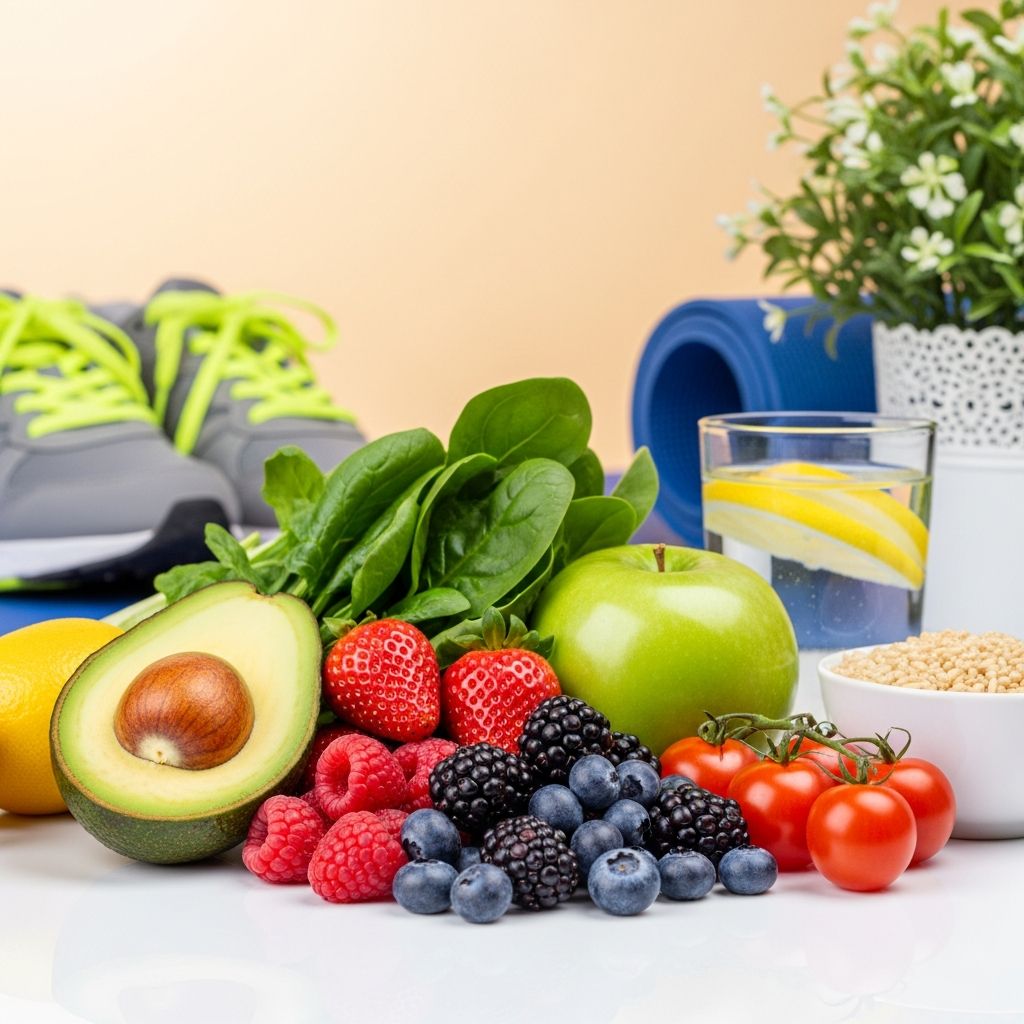
Adopting healthy choices transforms everyday life into a foundation for long-term vitality. Small, consistent adjustments in diet, movement, rest, and mindset yield significant benefits like reduced chronic disease risk and enhanced energy levels. This guide draws from authoritative health recommendations to outline practical paths toward sustainable wellness.
Building a Foundation with Balanced Nutrition
Nutrition forms the cornerstone of health. Prioritizing nutrient-dense foods supports bodily functions, from immune response to cognitive sharpness. Focus on variety to ensure comprehensive nutrient intake without excess calories.
Fill meals with fruits and vegetables, aiming for half your plate. These provide vitamins, minerals, and fiber essential for digestion and disease prevention. Incorporate them fresh, frozen, or cooked into salads, stir-fries, or smoothies.
- Opt for colorful produce like berries, leafy greens, broccoli, and bell peppers for antioxidants.
- Replace processed snacks with raw veggies dipped in hummus or yogurt.
- Experiment with seasonal options to maximize freshness and affordability.
Whole grains offer sustained energy and heart-protective fiber. Swap refined grains for oats, quinoa, brown rice, or whole-wheat products to stabilize blood sugar and lower cholesterol.
Lean proteins from plants and animals build and repair tissues. Include beans, lentils, fish, poultry, and nuts, targeting omega-3-rich fish like salmon twice weekly for brain and cardiovascular benefits. Dairy or fortified alternatives supply calcium for bone strength.
Use healthy fats from avocados, olive oil, and seeds in moderation to support cell health while limiting saturated fats.
Daily Eating Strategies for Success
Success hinges on mindful practices. Read labels to minimize added sugars, sodium under 2,300 mg daily, and trans fats. Plan meals weekly, prep in batches, and cook at home for control over ingredients and portions.
| Food Group | Recommended Daily % of Calories | Examples |
|---|---|---|
| Protein | 10-30% | Beans, fish, lean meats, tofu |
| Carbohydrates | 45-65% | Whole grains, fruits, veggies |
| Fats | 25-35% | Olive oil, nuts, avocados |
| Added Sugars/Saturated Fats | <10% | Limit processed sweets |
Track intake via apps to build awareness without obsession. Eat breakfast with protein and fiber to kickstart metabolism.
Incorporating Movement into Your Routine
Physical activity boosts mood, strengthens muscles, and combats obesity. Aim for 150 minutes of moderate exercise weekly, starting small like 20-minute walks.
- Brisk walking improves cardiovascular health and is accessible daily.
- Strength training twice weekly preserves bone density and metabolism.
- Fun activities like dancing or cycling sustain motivation.
Build habits gradually: set micro-goals, pair with routines like post-meal strolls, and track progress. Safety first—warm up, stay hydrated, and consult professionals if needed.
Overcoming Common Barriers to Activity
Time constraints? Integrate movement: take stairs, park farther, or desk stretches. Lack of energy? Consistent activity circles this positively. Partner with friends for accountability.
Prioritizing Restorative Sleep
Sleep of 7-9 hours nightly regulates hormones, aids recovery, and sharpens focus. Poor sleep links to weight gain and weakened immunity.
Establish routines: dim lights, avoid screens pre-bed, keep consistent schedules. Cool, dark rooms optimize quality. Naps under 30 minutes refresh without disruption.
Managing Stress for Mental Resilience
Chronic stress disrupts eating, sleep, and immunity. Counter with mindfulness, deep breathing, or yoga. Journaling clarifies thoughts; nature walks soothe.
Limit caffeine and alcohol, which exacerbate anxiety. Social connections buffer stress—nurture relationships.
Sustainable Weight Management Practices
Balance intake with output via whole foods and activity. Avoid fad diets; focus on habits like portion awareness and home cooking. Weekly weigh-ins track trends without fixation.
Four habit-change stages: contemplate need, plan actions, act consistently, maintain long-term. Celebrate non-scale victories like better energy.
Hydration and Other Daily Essentials
Water intake supports all functions—aim for half your body weight in ounces daily. Herbal teas count; limit sugary drinks.
Hand hygiene prevents illness. Moderate alcohol: ≤1 drink women, ≤2 men daily. Quit smoking for immediate lung and heart gains.
FAQs
What are quick wins for healthier eating?
Fill half your plate with produce, choose whole grains, and read labels for low sodium/sugar.
How much exercise is enough?
150 minutes moderate or 75 vigorous weekly, plus strength twice.
Can I enjoy treats in a healthy lifestyle?
Yes, in moderation—balance with nutrient-dense choices.
How do I stick to new habits?
Set small goals, track progress, and build routines gradually.
What’s the role of sleep in health?
7-9 hours nightly for recovery, hormone balance, and cognition.
Long-Term Benefits of These Choices
Consistent application slashes risks of heart disease, diabetes, and obesity while boosting mental clarity and longevity. Communities thriving on these principles report higher life satisfaction. Personalize via experimentation and professional guidance.
References
- Your Guide to Healthy Eating Habits That Stick — American Heart Association. 2023. https://www.heart.org/en/healthy-living/healthy-eating/eat-smart/nutrition-basics/your-guide-to-healthy-eating-habits-that-stick
- The Ultimate Guide to a Healthy Lifestyle — OrthoIndy. 2022. https://www.orthoindy.com/wp-content/uploads/Ultimate-Guide-to-a-Healthy-Lifestyle-1.pdf
- Healthy Living Guide 2020-2021 — Harvard T.H. Chan School of Public Health Nutrition Source. 2021-02. https://nutritionsource.hsph.harvard.edu/wp-content/uploads/2021/02/HeatlhyLivingGuide20-21.1.pdf
- Healthy Living Guide 2023/2024 — Harvard T.H. Chan School of Public Health Nutrition Source. 2024-01-02. https://nutritionsource.hsph.harvard.edu/2024/01/02/healthy-living-guide-2023-2024/
- Changing Your Habits for Better Health — National Institute of Diabetes and Digestive and Kidney Diseases (NIDDK). 2023. https://www.niddk.nih.gov/health-information/diet-nutrition/changing-habits-better-health
- Build a Healthy Eating Routine — Office of Disease Prevention and Health Promotion. 2021-03-26. https://odphp.health.gov/sites/default/files/2021-05/DGA-FactSheet-2021-03-26-compressed.pdf
Similar Articles








Read full bio of Sneha Tete