
Finding Your Perfect Oracle Deck: A Complete Guide
Discover how to select an oracle deck that truly resonates with your spiritual journey and intuitive gifts.
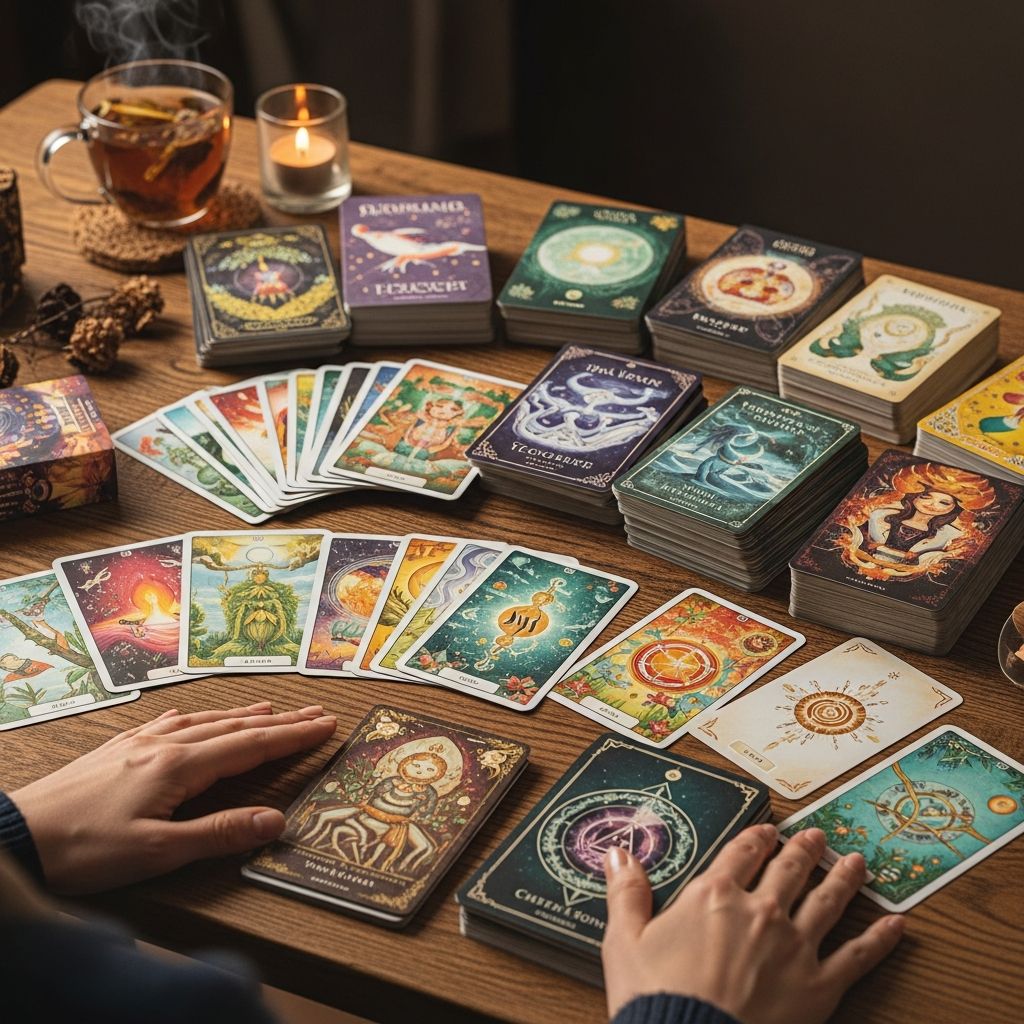
Oracle cards have emerged as powerful instruments for introspection, spiritual development, and accessing inner wisdom. Unlike their structured counterparts in traditional divination systems, oracle decks offer a more flexible and personalized approach to seeking guidance. The diversity of available decks—ranging from nature-inspired collections to celestial-themed sets—means that finding the right one requires thoughtful consideration of multiple factors. This guide explores the essential elements to evaluate when selecting an oracle deck that will genuinely support your spiritual practice.
Understanding Your Spiritual Objectives
Before beginning your search for an oracle deck, clarify what you hope to accomplish through your practice. Different decks serve distinct purposes, and matching your objectives to the deck’s energy creates a more authentic and effective experience. Consider whether you seek daily affirmations, healing guidance, creative inspiration, or answers to specific life questions.
Those pursuing self-discovery benefit from decks that encourage deep introspection through thought-provoking imagery and contemplative messages. If you’re navigating a spiritual transition or seeking alignment with higher consciousness, look for decks that emphasize connection to divine energies or universal wisdom. For creative professionals or individuals seeking inspiration, visually striking and unconventional decks with imaginative symbolism provide ideal support.
Clearly defining your intention shapes the entire selection process. Your purpose becomes the north star guiding your decision, ensuring that your chosen deck serves your actual needs rather than simply appealing aesthetically.
The Role of Visual Connection and Artistic Style
The visual presentation of an oracle deck fundamentally influences your relationship with it. Since you’ll be studying the imagery regularly during readings, aesthetic resonance is not superficial—it’s essential. Oracle decks encompass an extraordinary range of artistic styles, from photorealistic nature illustrations to abstract geometric designs, watercolor paintings, and digital art.
Browse multiple decks in person when possible, or examine extensive online galleries to experience how different artistic approaches affect you emotionally. Notice whether you’re drawn to bold, saturated colors or subtle, muted palettes. Consider whether realistic representations speak to you more powerfully than stylized interpretations. Pay attention to the emotional response triggered by each deck’s aesthetic—excitement, calm, curiosity, or resistance all provide valuable information about compatibility.
The artwork serves as a visual language between your conscious mind and intuitive understanding. When the illustrations align with your aesthetic preferences and spiritual sensibilities, they amplify the deck’s effectiveness as a divination tool.
Thematic Resonance and Symbolic Frameworks
Oracle decks organize their wisdom around various thematic structures. Some focus on celestial and cosmic symbolism, others on animal spirits, angelic presences, plant medicine, mythological archetypes, or cultural traditions. Your selection should reflect themes that genuinely interest you and align with your spiritual framework.
Those drawn to angelic guidance might gravitate toward decks featuring archangels and heavenly beings, while individuals interested in nature-based spirituality may prefer decks centered on animals, crystals, or botanical wisdom. Similarly, decks exploring goddesses, ancestral connection, or chakra systems appeal to specific spiritual orientations.
Consider the frequency with which you’ll encounter the chosen theme. If you select a deck based solely on its beautiful packaging but feel indifferent toward its primary theme, you may find yourself less motivated to work with it consistently. Genuine interest in the deck’s symbolic language ensures sustained engagement.
Evaluating Guidebook Quality and Accessibility
The accompanying guidebook significantly impacts your experience, particularly if you’re new to oracle work. Guidebooks vary enormously in comprehensiveness, organization, and accessibility. Some provide extensive interpretations with multiple meanings per card, while others offer brief keywords or poetic descriptions.
Beginners typically benefit from detailed guidebooks that explain card meanings thoroughly, offer context for interpretation, and suggest questions for deeper reflection. More experienced practitioners may prefer minimalist guides that encourage intuitive reading without excessive explanation. Some contemporary decks even print key interpretations directly on the cards themselves, providing quick reference without requiring the guidebook.
Examine sample pages from the guidebook before purchasing if possible. Assess whether the writing style resonates with you—is it spiritual and poetic, practical and straightforward, or intellectually rigorous? The guidebook’s tone and depth should support rather than frustrate your learning process.
Assessing Physical Characteristics and Handling Comfort
Practical considerations regarding deck size, card weight, and finish quality affect your daily experience with the cards. Some decks feature large, oversized cards that require careful handling and deliberate shuffling, while others offer standard or compact sizes suited to various hand sizes and preferences. Card stock thickness varies from delicate, flexible material to rigid, durable cardstock.
Consider your shuffling technique and comfort level. Do you perform traditional riffle shuffles, prefer gentle mixing motions, or use other methods? Cards with quality finishes—whether matte, glossy, or specialty textures—impact how they feel in your hands and their longevity with regular use.
If you plan to carry your deck for on-the-go readings, portability becomes important. Conversely, if your practice involves structured home sessions, you might prioritize luxury presentation and card quality over convenience of size.
Leveraging Social Proof and Community Perspectives
Before committing to a purchase, invest time reviewing how others experience specific decks. Social media unboxings, YouTube walkthroughs, and user reviews provide authentic glimpses into deck energy and practical functionality. Hearing from experienced practitioners helps you understand potential strengths and limitations of your top choices.
However, remain discerning when evaluating others’ experiences. What resonates powerfully for one person may feel misaligned for another. Look beyond surface-level praise to identify specific features being praised or critiqued—clarity of messages, guidebook usefulness, card quality, or energetic intensity. This granular feedback proves more valuable than general recommendations.
Engage with online divination communities where practitioners discuss their favorite decks and explain their reasoning. These conversations often reveal nuances you might otherwise overlook.
Trusting Intuitive Guidance in Decision-Making
Throughout this selection process, your intuition remains the ultimate arbiter. Logical evaluation and practical assessment provide valuable structure, but your energetic response to potential decks carries profound significance. When holding or viewing a deck that’s right for you, most practitioners report feeling unmistakable resonance—a sense of recognition, excitement, or peace.
Create space for quiet reflection when considering your final choices. Close your eyes and visualize working with each deck. Imagine daily interactions with it, pulling cards, and receiving messages. Which scenario feels most aligned? Trust the subtle feelings and sensations that arise.
This intuitive alignment transcends logical reasoning. Even if a deck checks all practical boxes but doesn’t spark internal recognition, it may not be your ideal match. Conversely, a deck that unexpectedly draws you despite not meeting predetermined criteria often proves to be exactly what you need.
Strategic Approach to Building Your Collection
For newcomers to oracle work, starting with a single deck prevents overwhelming yourself while allowing deep familiarity development. Spending substantial time with one deck before adding others strengthens your intuitive relationship with its messages and energy. This foundational period typically spans several weeks or months of consistent practice.
As your confidence grows and your practice deepens, you’ll naturally discover decks that complement your primary collection. Each new addition should serve a distinct purpose or explore different themes rather than duplicating your existing deck’s function.
Building a thoughtful collection aligned with specific intentions creates more powerful and nuanced divination work than randomly accumulating decks. Quality always surpasses quantity in oracle practice.
Cleansing and Activation Practices
Once you’ve acquired your chosen deck, preparing it for use involves cleansing away any accumulated energies. Traditional methods include passing cards through incense smoke, exposing them to sunlight or moonlight, placing them on crystals known for energetic purification, or visualizing white light surrounding the entire deck.
Cleansing serves both practical and energetic purposes—physically removing dust and storage residue while spiritually preparing the cards to attune to your personal energy. After cleansing, many practitioners spend initial time simply holding and observing their deck, setting intentions for the working relationship being established.
Establishing a Sustainable Practice Routine
Developing consistent engagement with your oracle deck deepens your intuitive connection to its messages. A simple daily practice—drawing one card each morning as part of your routine—establishes steady contact with the deck’s wisdom. This regular interaction allows patterns and personal associations to emerge organically.
As comfort develops, you might progress to simple three-card spreads exploring past, present, and future dimensions, or develop personalized spread structures addressing specific questions. Some practitioners eventually integrate oracle cards with other divination systems for more comprehensive insights.
Proper storage honoring your cards—keeping them in dedicated boxes or pouches rather than scattered storage—demonstrates respect for the tool and facilitates energy maintenance between sessions.
Common Deck Selection Mistakes to Avoid
Many newcomers make predictable errors when selecting their first deck. Choosing based purely on packaging appeal without considering thematic relevance or guidebook quality often leads to dissatisfaction. Purchasing decks because others rave about them without assessing personal resonance creates misalignment. Expecting immediate proficiency instead of allowing a learning curve to unfold creates frustration.
Additionally, feeling obligated to purchase expensive premium editions before developing basic competency wastes resources. Beginning with mid-range, well-regarded decks allows skill development without significant financial investment.
Frequently Asked Questions About Oracle Deck Selection
Must I purchase an oracle deck, or can I create my own?
While established published decks offer refined systems with professional artwork and thoroughly developed guidebooks, creating personal decks is absolutely valid. However, published decks provide benefit from collective wisdom and professional design that typically accelerates learning and deepen intuitive development.
How do I know if a deck is authentic versus a knockoff?
Purchase through authorized retailers—official websites, established bookstores, and recognized metaphysical shops. Legitimate publishers include recognizable names in the divination industry. Suspiciously inexpensive versions of popular decks often indicate unauthorized reproductions lacking quality control.
Can multiple people use the same oracle deck?
Yes, shared decks can work effectively, though dedicated personal decks often develop stronger resonance. If sharing, ensure thorough cleansing between users and maintain clear intentions about the deck’s primary purpose.
How frequently should I cleanse my oracle cards?
Regular cleansing after each reading session maintains optimal energetic clarity, though many practitioners cleanse weekly or monthly depending on usage frequency. Trust your intuition regarding cleansing timing.
What if my chosen deck feels wrong after initial use?
Sometimes compatibility emerges only after working with a deck. However, if persistent discomfort develops, honoring that signal matters. You’re not obligated to maintain a relationship with a deck that doesn’t serve you—consider passing it to someone it might resonate with better.
References
- Oracle Cards: How to Choose the Right Deck — The Crystal Avenues. Accessed March 21, 2026. https://thecrystalavenues.com/blogs/news/oracle-cards-how-to-pick-the-right-deck
- A Beginner’s Guide to Oracle Decks — The Lineup. Accessed March 21, 2026. https://the-line-up.com/beginners-guide-to-oracle-decks
- How to Choose Your Oracle Deck — Broccoli Mag. Accessed March 21, 2026. https://broccolimag.com/blogs/events-journal/how-to-choose-your-oracle-deck
Similar Articles








Read full bio of Sneha Tete