Déjà Vu: 5 Mindful Steps Backed By Science And Spirit
Explore the profound spiritual dimensions of déjà vu alongside cutting-edge neuroscience to uncover why this eerie sensation feels like a glimpse into the soul's journey.
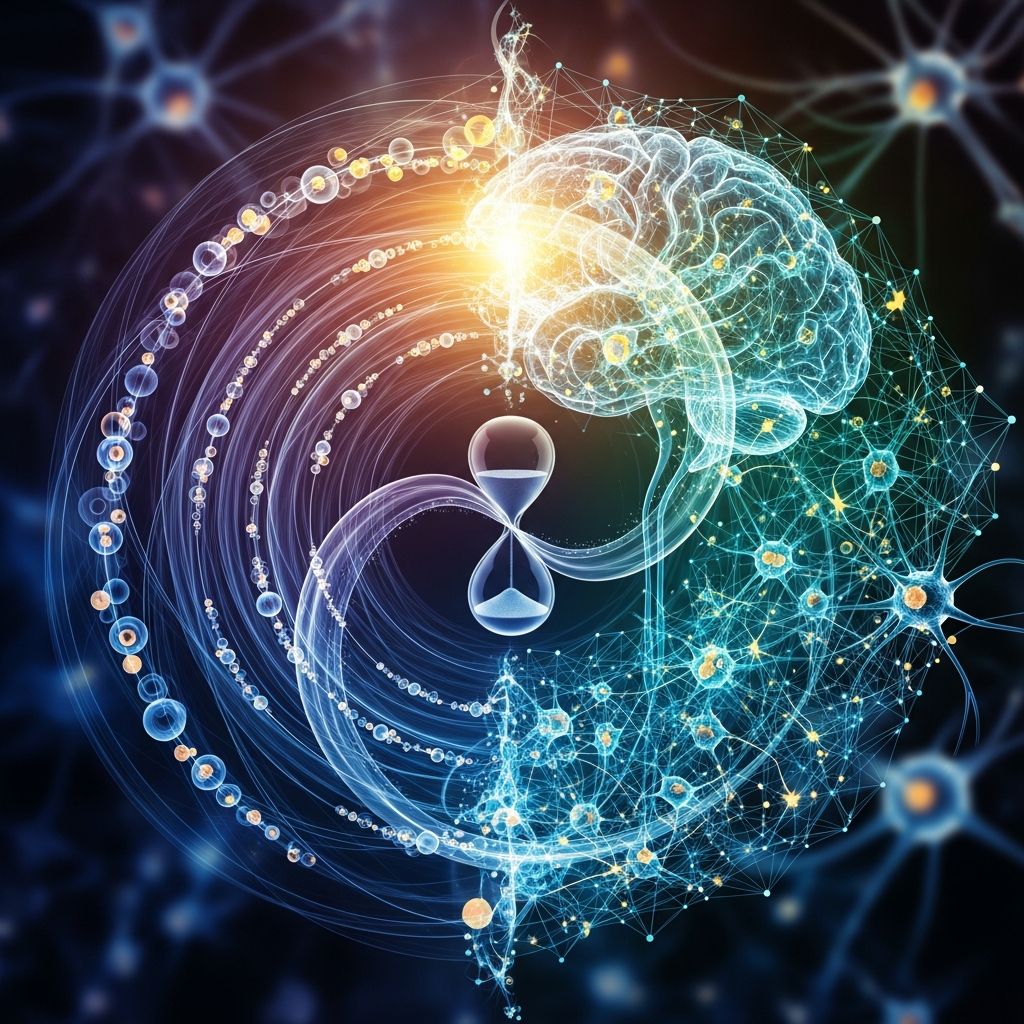
The sensation of déjà vu strikes without warning—a fleeting moment where the present feels eerily like a rerun from the past. This phenomenon, experienced by up to 70% of people, transcends mere curiosity, inviting exploration into both the brain’s wiring and the soul’s timeless voyage. While science attributes it to neural hiccups, spiritual traditions view it as a whisper from higher realms, signaling alignment with one’s eternal path.
Defining the Déjà Vu Experience
Déjà vu, French for “already seen,” manifests as an intense familiarity with a new scene, conversation, or event, despite knowing it’s unfolding now. It’s not just vague recognition; it’s a vivid conviction that defies logic. People describe it as time looping, a dream resurfacing, or destiny nudging awareness. Unlike reminiscence, no specific memory anchors it, creating a paradoxical tension between novelty and nostalgia.
Surveys indicate frequency peaks in youth, declining with age, hinting at evolving brain dynamics or spiritual sensitivity. Triggers include fatigue, stress, or novel-yet-similar environments, amplifying its intrigue.
Neurological Foundations of Déjà Vu
Science demystifies déjà vu through brain mechanics, primarily involving the temporal lobe, hippocampus, and frontal cortex. The hippocampus forms memories, while the temporal lobe integrates sensory data with emotions via the amygdala.
Key theories explain this glitch:
- Attentional Slip: Divided focus registers details subconsciously; conscious re-engagement tricks the mind into false recall.
- Dual Processing Delay: Asynchronous signals from brain hemispheres create a repeat illusion, as proposed by Robert Efron in 1965.
- Memory Mismatch: Familiar elements evoke buried traces without context, mimicking recollection.
- Neurological Spark: Micro-seizures or dopamine surges in temporal regions heighten familiarity signaling.
Dopamine, an excitatory neurotransmitter, plays a starring role. Elevated levels from fatigue, drugs, or stress boost familiarity detection, explaining higher incidence in the young or exhausted. Temporal lobe epilepsy patients often report déjà vu as a seizure precursor, underscoring its neural roots.
| Theory | Brain Area Involved | Trigger Example |
|---|---|---|
| Attentional | Frontal Cortex | Multitasking in new places |
| Dual Processing | Temporal Lobe | Signal delay between hemispheres |
| Memory Mismatch | Hippocampus | Sensory cues like scents |
| Dopaminergic | Amygdala/Temporal | Stress or stimulants |
Far from error, déjà vu signals robust fact-checking: frontal regions veto false familiarity, affirming brain health.
Spiritual Layers of Déjà Vu
Beyond neurons, déjà vu pulses with metaphysical significance. Esoteric views frame it as the universe’s Morse code, conveying messages from the soul’s archive.
Echoes from Past Incarnations
One profound interpretation links déjà vu to past lives. A current moment mirrors a prior existence, resurfacing unresolved karma or soul lessons. Encountering a place or person ignites cellular memory, urging integration of ancient wisdom into now. Reincarnation philosophies suggest these flashes accelerate evolution, dissolving timelines for higher vibration.
Soulmate and Contract Signals
Meeting kindred spirits often triggers déjà vu, as souls pre-agree contracts before birth. This recognition bypasses ego, affirming divine orchestration. It’s a cosmic wink: “We’ve danced this dance before, in spirit realms.” Such moments foster profound bonds, guiding purposeful alliances.
Timeline Shifts and Parallel Realities
Quantum spirituality posits déjà vu as bleed-through from parallel dimensions. Consciousness navigates multiverses; glitches merge realities, previewing potential futures or alternate pasts. Awakening souls experience this amid ascension, as veils thin between worlds.
Guides and Higher Self Whispers
Spiritual guardians use déjà vu to affirm alignment. Feeling ‘been here before’ validates choices, like career pivots or relocations. It’s reassurance from the higher self, syncing mundane actions with soul blueprint.
Distinguishing Déjà Vu Variants
Not all familiarity is equal. Variants offer nuanced insights:
- Jamais Vu (Never Seen): Familiar becomes alien, stripping meaning—like repeating a word until it sounds foreign. Spiritually, it signals over-attachment release.
- Presque Vu (Almost Seen): Tip-of-tongue frustration hints at emerging insights or blocked memories.
- Precognitive Déjà Vu: Future glimpses disguised as past, blending prophecy with recall.
These cousins enrich the tapestry, each a portal to deeper perception.
Practical Ways to Engage Déjà Vu Mindfully
Transform passive wonder into active wisdom with these steps:
- Pause and Breathe: Anchor in presence; note details without judgment.
- Journal Immediately: Capture scene, emotions, associations—patterns reveal themes.
- Meditate on Symbolism: Visualize the moment; invite intuitive downloads.
- Affirm Gratitude: Thank the experience as guidance, amplifying receptivity.
- Explore Regression: Past-life hypnosis uncovers roots safely.
Integrating these cultivates synchronicity awareness, turning glitches into grace.
Frequency Factors and Demographics
Younger individuals (15-25) report most episodes, correlating with peak neural excitability and spiritual openness. Women slightly outpace men, possibly due to intuitive wiring. Travelers and creatives experience more, as novelty primes the pump.
Decline with age reflects frontal lobe efficiency drop, yet elders cherish rare hits as profound.
Health Implications: When to Seek Insight
Typically benign, persistent or distressing déjà vu warrants check. Linked to epilepsy, migraines, or anxiety, consult neurology if accompanied by headaches, auras, or seizures. Spiritually, chronic cases may signal urgent soul work.
FAQs
What triggers déjà vu most commonly?
Fatigue, stress, travel, and dopamine influencers like caffeine or medications.
Is déjà vu a sign of psychic ability?
It can indicate heightened sensitivity, often preceding intuitive breakthroughs, though grounded in brain function.
How to induce déjà vu safely?
Practice mindfulness in new settings or lucid dreaming; avoid forcing via exhaustion.
Does déjà vu prove reincarnation?
Not scientifically, but spiritually, it aligns with soul memory theories.
Can déjà vu predict the future?
Some report precognitive types, blending memory illusion with foresight.
Embracing Déjà Vu as a Soul Compass
Déjà vu weaves science and spirit into a reminder: we’re more than neurons; we’re eternal navigators. Honor these moments as invitations to awaken, bridging material and mystical realms for empowered living.
References
- Déjà Vu: The neuroscience behind the mysterious phenomenon — Inspire the Mind. 2023. https://www.inspirethemind.org/post/d%C3%A9j%C3%A0-vu-the-neuroscience-behind-the-mysterious-phenomenon
- Déjà vu — Wikipedia. 2024-03-20. https://en.wikipedia.org/wiki/D%C3%A9j%C3%A0_vu
- The Fascinating Science of Déjà Vu — Psychology Today. 2023-12-01. https://www.psychologytoday.com/us/blog/brain-reboot/202312/the-fascinating-science-of-deja-vu
- That Strange Feeling of Déjà Vu — Explained — Cleveland Clinic. 2023. https://health.clevelandclinic.org/deja-vu-what-it-is-and-when-it-may-be-cause-for-concern
- Here’s what déjà vu (or the lack of it) says about your brain health — BBC Science Focus. 2023. https://www.sciencefocus.com/the-human-body/deja-vu
- Déjà vu experiences in healthy subjects are unrelated to laboratory… — PMC (PubMed Central). 2013-11-13. https://pmc.ncbi.nlm.nih.gov/articles/PMC3842028/
- Déjà vu and feelings of prediction: They’re just feelings — Colorado State University Natural Sciences. 2023. https://natsci.source.colostate.edu/deja-vu-feelings-prediction-theyre-just-feelings/
Similar Articles







Read full bio of Sneha Tete